How to tell you have them
Scratching or running in the attic between dusk and dawn is the classic sign. In the attic or garage you may find droppings about half an inch long with pointed ends, chewed insulation, greasy rub marks along beams and nesting material. Outside, look for citrus or other fruit hollowed out on the tree, and gnawed holes in screens. House mice leave much smaller droppings and favor garages, kitchens and the space behind the dishwasher.
What they damage
Rodents gnaw constantly. In an attic that means chewed wiring, which is a fire risk, plus damaged air conditioning ducts and insulation soiled with urine and droppings. Rats and mice can carry diseases that spread through droppings and urine, so cleanup should be done with gloves and without sweeping dust into the air.
What treatment looks like
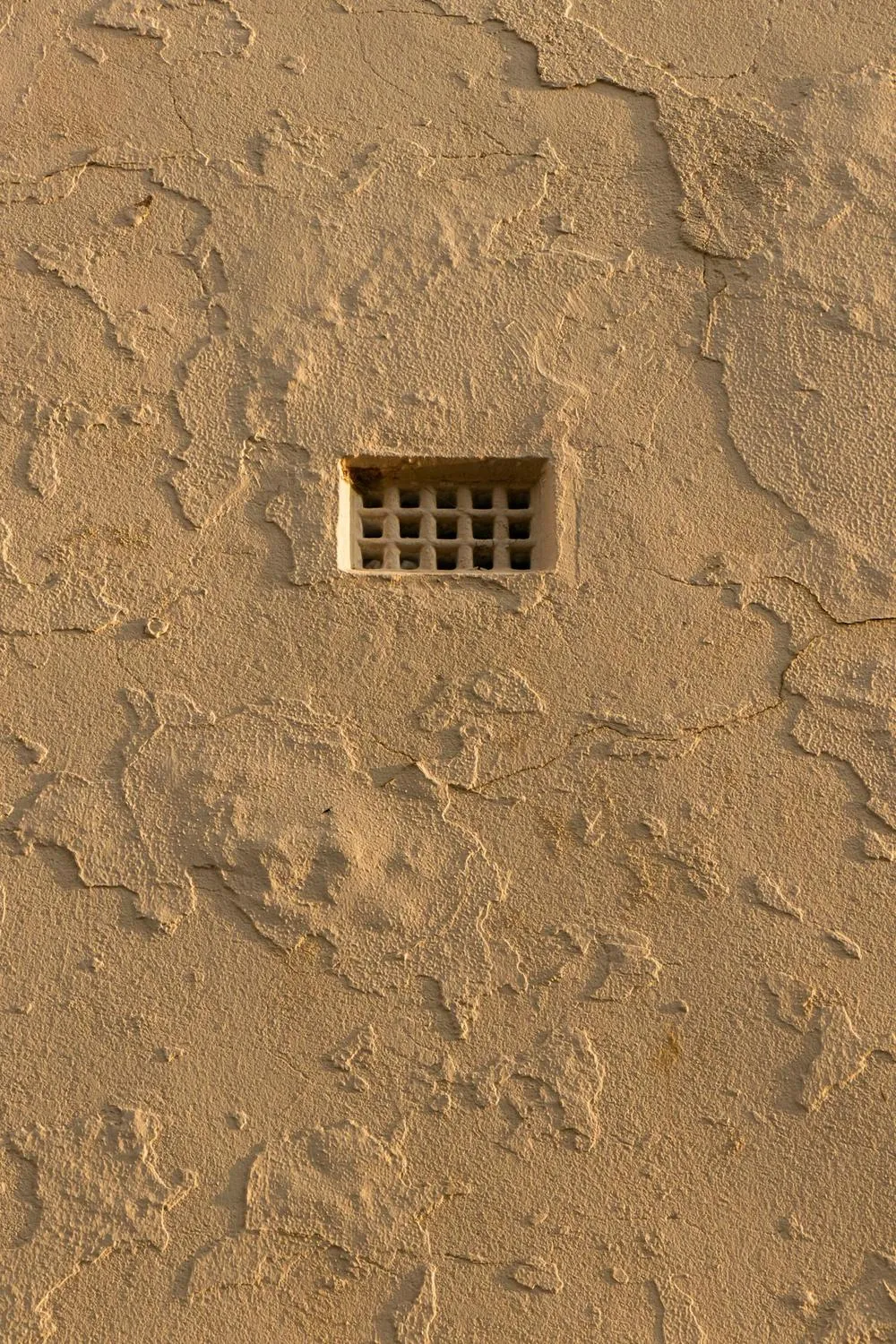
We start with the entry points. A roof rat fits through a gap about the size of a quarter, and the usual ones in Pinellas are roof returns, gable vents, soffit gaps, plumbing and air conditioning line penetrations and garage door corners. We trap inside the attic, seal the gaps with materials rodents cannot chew, and set tamper-resistant bait stations outside along the routes they travel. The stations are locked and anchored to the ground or a paver.
How long it takes
Trapping usually catches the animals already inside within one to three weeks. The sealing work takes one visit for a typical home. After that, the exterior stations are checked at every visit, so new arrivals are dealt with outside.
Florida notes
Roof rat activity climbs from September and peaks in the cool months in our seasonal model, when they look for warm shelter. Palm fronds touching the roof, citrus left on the tree and bird feeders all help them. Outdoor rodent stations are part of the Termite Shield plan, and of Complete.