
What a WDO inspection is
Florida law defines wood-destroying organisms as termites, powderpost beetles, old house borers and wood-decaying fungi. A WDO inspection is a visual check of the accessible parts of a home for those four things, done by a licensed inspector and written up on the Florida Department of Agriculture and Consumer Services form FDACS-13645. Nothing is opened up: no drywall is cut and no flooring is lifted, which is why the report says exactly what could and could not be seen.
Who asks for one
Many mortgage lenders and some loan programs ask for a WDO report before closing, and buyers often order one even when the lender does not, because termite damage is one of the few problems a walk-through rarely reveals. Some sellers order one before listing, so there are no surprises during the inspection period.
What the inspector checks
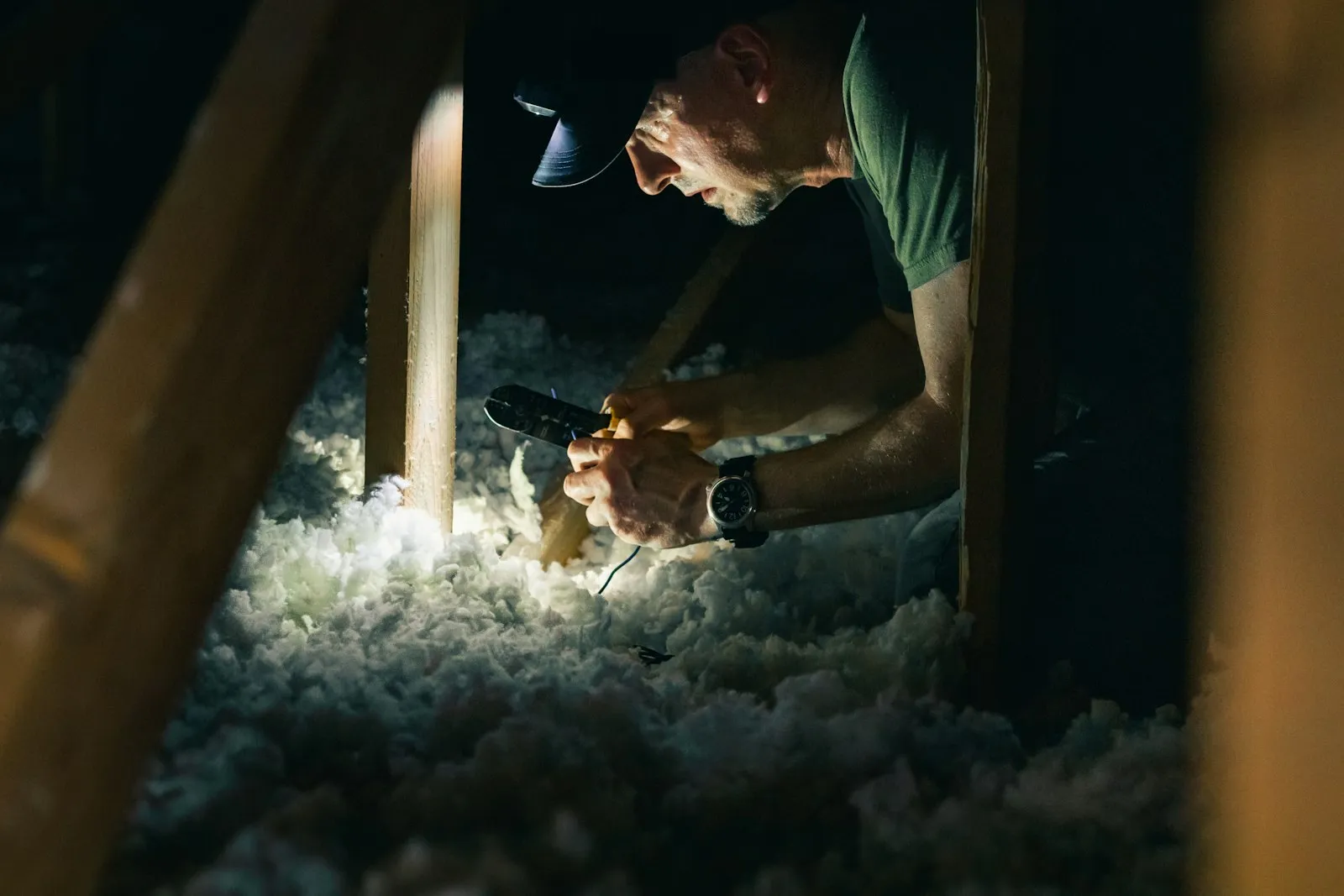
- The attic, from the hatch and across the joists where it can be walked
- The garage, including the inside face of the walls and the slab edges
- The exterior: foundation, stucco or siding at grade, eaves, fascia and soffits
- Window and door frames, inside and out
- Baseboards, cabinets under sinks and around the water heater
- Wood touching soil: steps, fences and decks attached to the house
The inspector looks for mud tubes, swarmer wings, frass pellets, exit holes, damaged or hollow wood and signs of earlier treatment. A typical Pinellas home takes about an hour; a larger home with a detached garage or a crawl space takes longer.
What the report has to say
For a real estate transaction, Florida requires the report to state five things:
- Areas not inspected, and why. A finished basement ceiling, a storage room packed to the rafters, a crawl space with no access: each one is named, with the reason.
- Areas that were obstructed or out of reach. Insulation over the ceiling joists, stored boxes against a wall, siding that covers the sill: the report says where the inspector could not see.
- Visible evidence of previous treatment. Drill holes patched in the garage slab, old bait stations in the yard, a treatment sticker by the attic hatch.
- Wood-destroying organisms found, and the damage they caused. Live termites or beetles, evidence of past activity, and visible damage, each recorded separately so nobody mistakes old damage for a live infestation, or the reverse.
- Where the inspection notice was posted. So the next inspector, and the next buyer, can find it.
We keep a copy of every report for three years, as the law requires, so a lost report can be sent again.
The notice by the attic hatch
After the inspection, the inspector posts a notice of at least 3 by 5 inches next to the attic or crawl-space access, made to last at least three years. It records that the inspection happened, so the next inspector knows the history. Please leave it in place.
What a clear report means
A clear report, with no visible signs of wood-destroying organisms, means exactly that: nothing visible in the areas that could be inspected on that day. A WDO report is not a guarantee that there are no termites and no damage, unless it says so in writing. Hidden areas stay hidden, which is why the list of areas not inspected matters as much as the findings.
If something is found
The report separates three different findings, and they lead to different next steps. Live activity calls for treatment: a liquid or bait treatment for subterranean termites, spot treatment for a small drywood colony, or fumigation by a fumigation company for a widespread drywood infestation. Damage calls for a repair estimate from a contractor, who can open the wall the inspector could only look at. Evidence of previous treatment calls for the paperwork: ask the seller for the treatment records and any transferable termite agreement.
Who pays, and when to book
Usually the buyer orders and pays for the inspection. Who pays for treatment or repairs depends on the sales contract, so ask your agent before you negotiate. Book at least three business days before the end of your inspection period: the report is normally ready the same day, but the calendar fills up in spring, when termites swarm and homes sell.